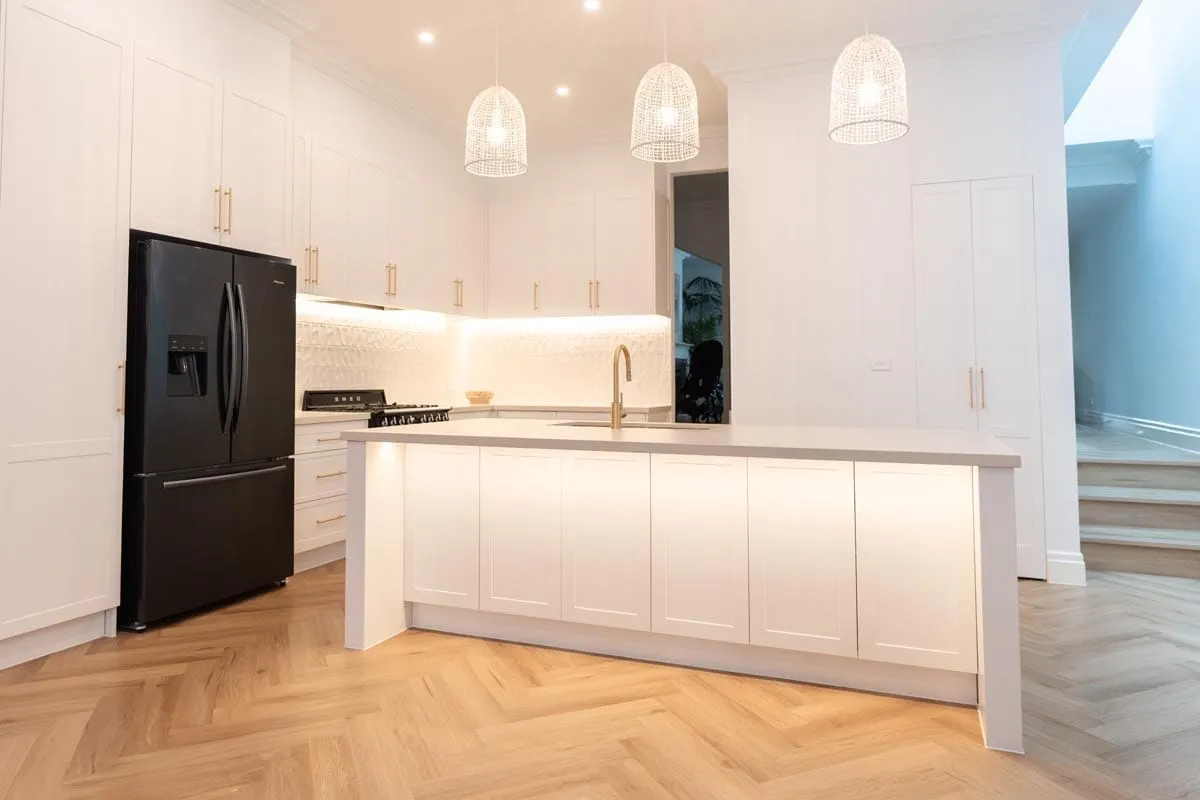
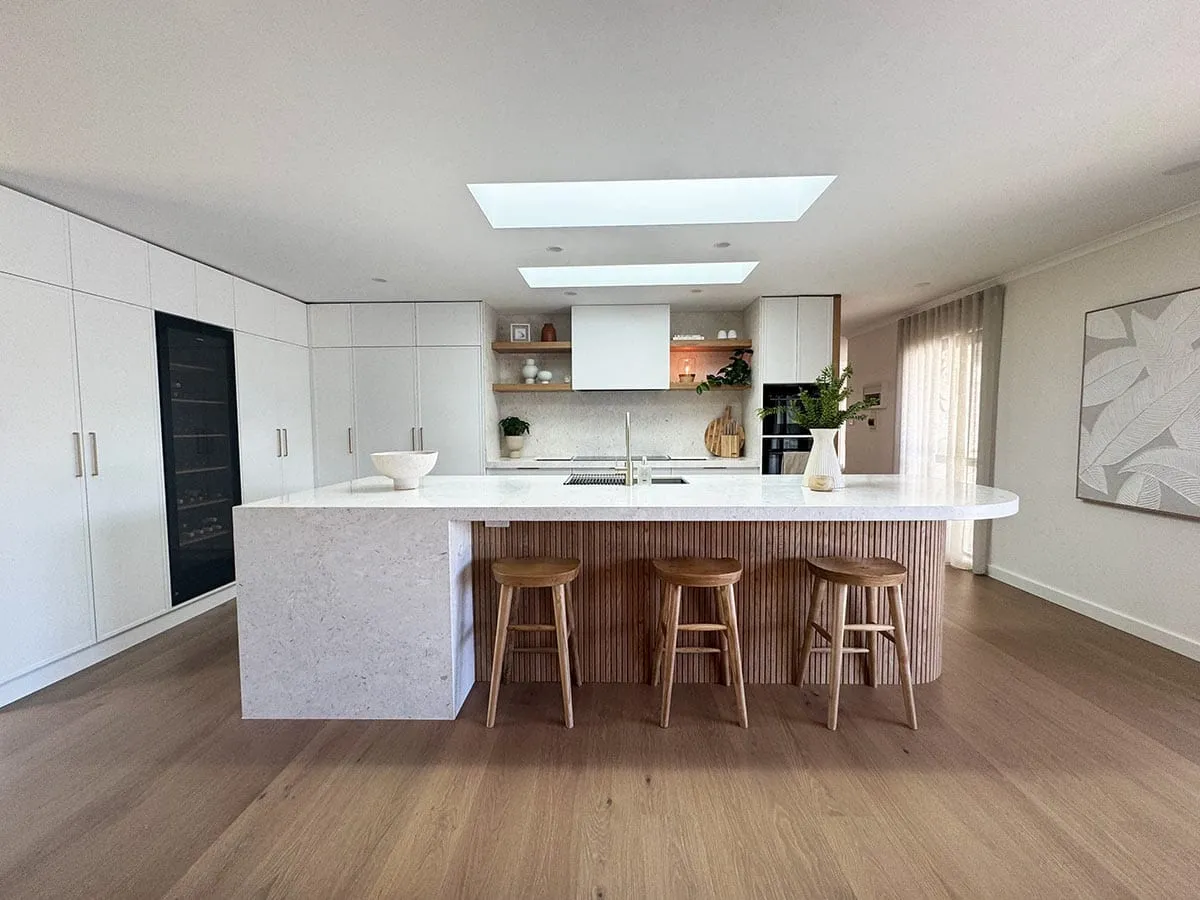
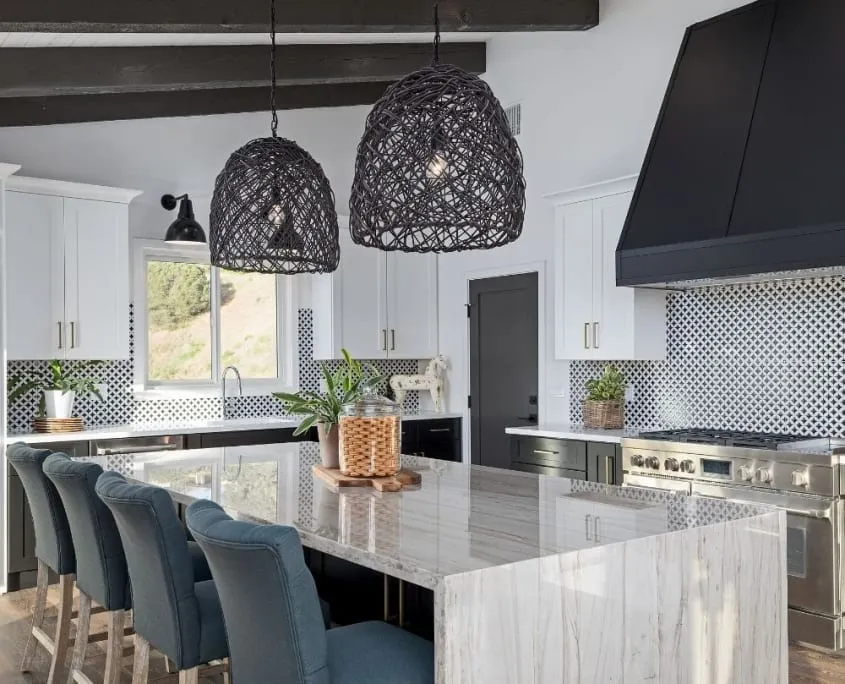
Renovating a home is a major decision—especially for the two busiest rooms: the kitchen and bathroom. Tackling both in one program lets you coordinate trades, align finishes, and control the overall renovation budget more clearly than staging two separate builds.
Many homeowners start with one room, then find a second project twelve months later means another round of dust, noise, and disruption. Combining projects under one plan is often more efficient. For practical planning ideas across both spaces, see luxury renovation ideas to upgrade your bathroom and kitchen together.
Benefits of renovating both at once
One construction period replaces two. Trades can sequence waterproofing, services, cabinetry, and finishing without waiting months between kitchens and bathrooms. Bulk or coordinated material orders can improve delivery efficiency and sometimes slab or sheet yield for stone and panels.
Design-wise, you can carry a colour palette, metal finish, or stone selection from kitchen benchtops to bathroom vanities so the home feels intentional rather than pieced together.
Why one company helps
A single builder or project team means one contract path, one project manager, and one communication rhythm. That reduces the risk of mismatched timelines between separate contractors or conflicting advice on sequencing.
Quality and detail tend to stay more consistent when tiling, joinery, plumbing, and electrical are overseen by people who understand the full scope—not only their slice of one room.
Cohesive design across kitchen and bathroom
The two rooms do not need to look identical, but coordination pays off: matching tapware families, complementary cabinetry tones, or repeated stone textures tie the home together. A designer working across both rooms can balance contrast and continuity so each space has its own character while still feeling part of one scheme.
Design considerations
Start from how you live—storage, traffic, cleaning habits, and future resale. Durable surfaces, efficient layouts, and well-specified fixtures age better than trend-chasing alone. A unified brief helps prioritise where to invest (for example, stone in high-wear areas, efficient appliances, quality waterproofing).
Daily life during a dual renovation
Temporary arrangements
With kitchen and bathroom both offline, plan for a secondary bathroom if possible and a simple temporary cooking setup. Primary-suite projects need extra thought for sleeping and bathing.
Noise, dust, and site control
Two wet rooms at once can intensify dust and noise. Agree on containment, protection of floors, and how living zones stay separated from the work area.
Scheduling and organisation
Ask when the noisiest or most disruptive tasks run, and whether phases can keep one basic facility usable where structurally possible. Off-site or packed-away storage for furniture can keep the rest of the house workable.
Communication and flexibility
Regular updates and documented variations reduce stress when conditions behind walls differ from expectations.
Safety
Secure work areas if children or pets are in the home; clear signage and barriers matter when multiple trades rotate through.
Contingency budget
Keep a buffer for concealed issues—old plumbing, subfloor movement, or electrical upgrades—so scope changes do not derail the finish level you want.
Budgeting and cost savings
Shared mobilisation, coordinated inspections, and batching orders can reduce duplicated costs compared with two standalone projects. A single company can present one integrated allowance and contingency rather than overlapping margins from separate firms.
Time efficiency
Parallel planning and sequential trades on one site often shorten overall calendar time versus booking two separate renovations months apart. You also avoid repeating setup, protection, and final cleaning twice.
Choosing the right company
Look for proven multi-room work: references, completed galleries, and clarity on design process, programme, and variations. Transparency on inclusions, exclusions, and payment stages matters as much as the headline price.
Increased home value
Kitchens and bathrooms are high on buyer checklists. When both read as cohesive and well finished, the whole property presents more confidently—whether you sell soon or stay long term.
Materials and coordination
One team can sequence decisions so tiles, tapware, lighting, and joinery suit both rooms and arrive when needed. That reduces last-minute substitutions and colour mismatches between orders placed months apart.
The smart choice
Using one company for kitchen and bathroom renovations is not only about convenience—it is about alignment: design, programme, budget, and workmanship. With the right team, you get functional, beautiful spaces and a process that is easier to follow from start to finish.
Book a consultation with Luxury Bathrooms Melbourne to discuss a combined kitchen and bathroom project, or view our portfolio for past work.