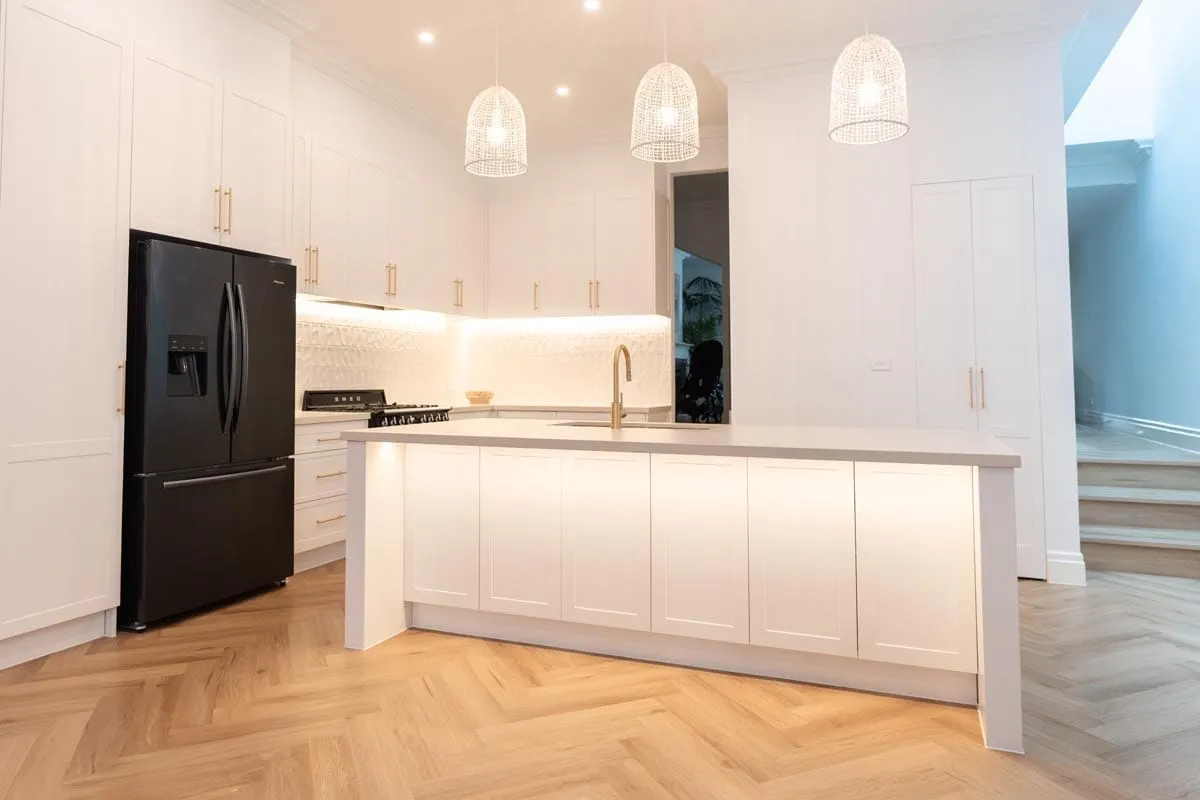
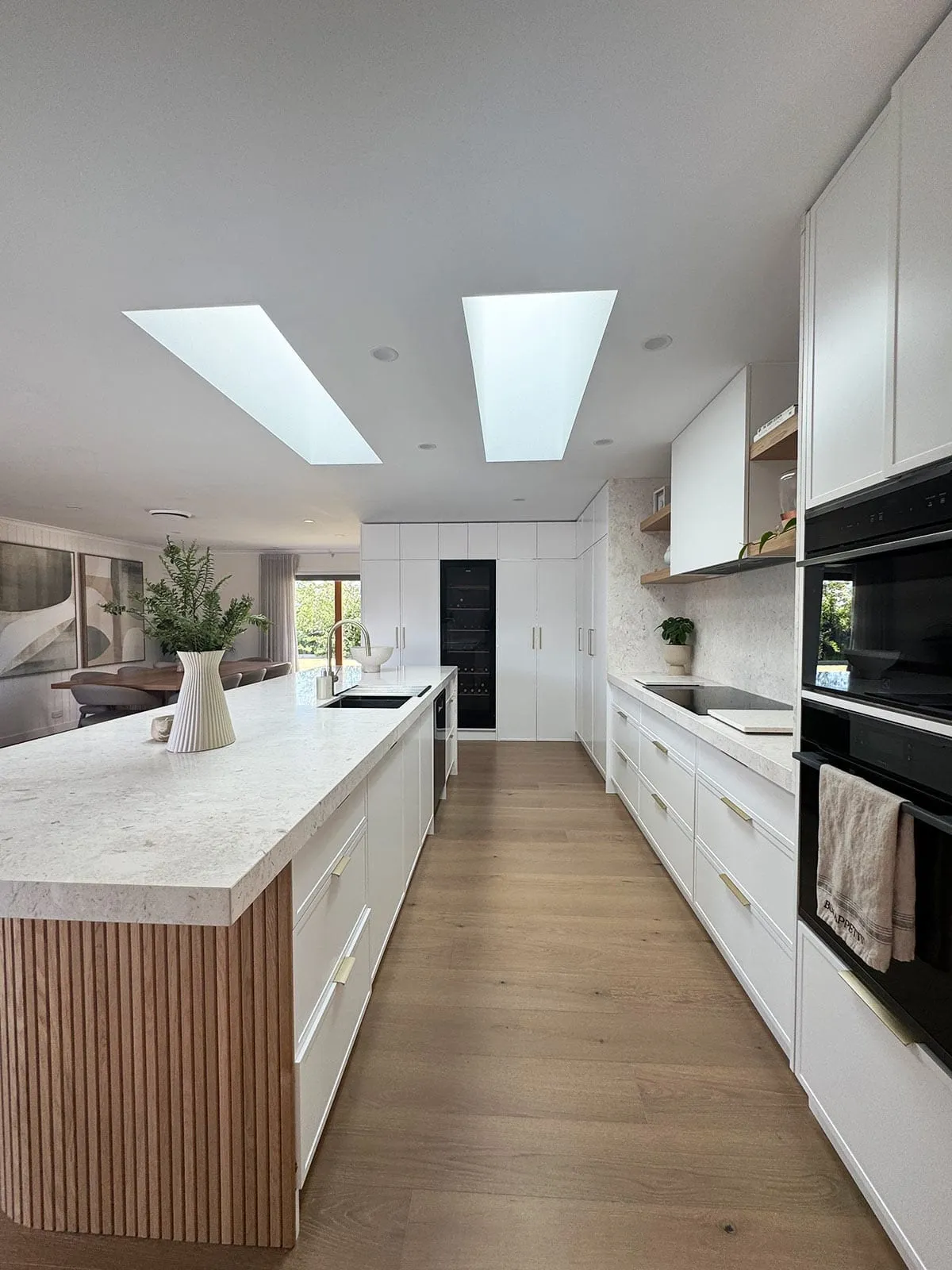
A kitchen renovation is one of the most rewarding home improvement projects you can undertake. It transforms the heart of the home into a more functional, beautiful and efficient space while also adding long-term value to your property. A carefully planned kitchen renovation project prevents unexpected expenses and ensures that every decision brings you closer to your dream kitchen.
This step-by-step guide walks you through the essential stages of planning a kitchen renovation, from evaluating the existing kitchen to the final finishing touches. Whether you are completing a full kitchen renovation, upgrading kitchen cabinets, or redesigning your kitchen layout, this guide provides a clear path forward.
1. Evaluate Your Existing Kitchen
Every successful renovation starts with understanding what you already have. Begin by assessing the functionality, flow and condition of your existing kitchen.
Think about how you use the space daily. Consider the kitchen work triangle between the sink, cooktop and fridge. Ask yourself whether it supports efficient movement during food prep. Look closely at your current storage solutions, plumbing fixtures, lighting and kitchen cabinets. Identify what works well, what needs improvement and what must be replaced entirely.
This evaluation becomes the first step in shaping your priorities and deciding whether the renovation will involve minor upgrades or a larger renovation with structural adjustments.
2. Set Clear Goals and a Realistic Budget
Once you understand your starting point, define the goals of your renovation project. Do you need a better layout, more storage, or a larger kitchen island for family gatherings? Are you aiming to save money with a cheaper option, or do you want premium finishes?
Next, set a realistic kitchen renovation budget. A solid budget helps you reduce unexpected expenses later. Include costs for:
- Materials
- Benchtops
- New appliances
- Floor cabinets
- Plumbing and electrical work
- New flooring
- Contractors
Always add a contingency of 10 to 15 percent to manage unforeseen issues such as structural work, new pipes, or electrical upgrades.
The Australian Government's consumer guide on home building is a useful resource for understanding your rights and what to expect when engaging trades. See Consumer Affairs Victoria — building and renovating for practical guidance.
3. Plan the New Kitchen Layout
Your kitchen layout influences how functional your new kitchen will be. Consider options such as a U shaped layout, L shaped design or an open-concept space with an island bench.
During this phase:
- Map out power points
- Consider access to natural light
- Ensure the kitchen work triangle works efficiently
- Think about how the kitchen connects to the rest of the house
Use sketches or digital software to visualise the entire kitchen reno. This helps you finalise accurate measurements, avoid errors, and prepare for installation.
4. Choose Materials and Finishes
The materials you select influence both the look and lifespan of your new kitchen. This includes cabinetry finishes, flooring, splashbacks, benchtops and appliances.
Popular choices include:
- Engineered stone or laminate benchtops
- Polished concrete for a contemporary look
- Timber or hybrid flooring
- A tiled splashback
- Heat-resistant floor cabinets
Think about durability, cleaning ease and long-term maintenance. Choosing the right materials early also prevents delays during installation.
For design inspiration and durability ratings, the Building Designers Association of Australia offers helpful guidance on choosing suitable finishes for Australian homes: bdaa.com.au.
5. Focus on Cabinetry and Storage Solutions
Cabinetry is one of the most important parts of any kitchen renovation project. Plan cupboard placement according to how the kitchen will be used.
Consider:
- Pull-out pantries
- Soft-close drawers
- Overhead cabinets
- Custom shelving
- Appliance zones
Well-planned cabinetry keeps clutter off the benchtops and maximises storage in small spaces. It also ensures your appliances fit comfortably into the layout.
If you are doing a DIY project, measure twice before ordering cabinets. Any mistakes in measurements can cause delays and additional costs.
6. Plan for Plumbing and Electrical Work
Renovating a kitchen means adjusting plumbing and electrical work to align with the new layout. Licensed plumbers and electricians will disconnect and reconnect services as needed.
This step may include:
- Moving the sink
- Installing new power points
- Upgrading wiring
- Connecting the extractor hood
- Changing the cooktop location
Never attempt structural or electrical tasks yourself. Safety and compliance are essential, particularly with load-bearing walls and gas services. All work must meet Australian standards.
7. Prepare for Building Work and Construction
Building work covers everything from demolition to framing new walls. This phase includes the installation of insulation, electrical rough-ins, plumbing rough-ins and ventilation systems.
The process may involve:
- Removing old cabinets
- Adding new walls
- Installing new flooring
- Preparing for the splashback installation
This stage can generate dust and noise, so plan to protect other areas of the home. It is common for renovation timelines to vary depending on structural complexity and unexpected issues behind walls or floors.
8. Hire Professionals to Manage the Project
Instead of coordinating multiple trades yourself, many homeowners choose to hire professionals to project manage the renovation. Builders, plumbers, electricians and installers all have roles, and a coordinated approach ensures the job is done efficiently.
If you need help selecting the right contractor, use a hiring a building practitioner checklist from Consumer Affairs Victoria to compare quotes, examine portfolios and confirm qualifications.
A good contractor helps you:
- Prevent costly mistakes
- Manage trades
- Avoid timeline blowouts
- Ensure compliance with codes
9. Schedule the Renovation and Monitor Progress
Once planning is complete, create a realistic timeline. Coordinate with your contractor to schedule demolition, rough-ins, installation and finishing work.
Staying in regular communication helps you prevent unexpected issues and keep the renovation on track. Many homeowners use simple project management tools to track budgets, material orders and deadlines.
10. Add the Finishing Touches
The final stage brings your dream kitchen to life. Finishing touches include:
- Lighting installation
- Painting
- Installing handles and hardware
- Mounting the splashback
- Positioning appliances
- Sealing benchtops
Finishing touches define the overall aesthetic and ensure the kitchen feels polished, functional and inviting.
11. Final Inspection and Enjoying Your New Kitchen
When all work is complete, perform a final inspection. Check that all cabinets open smoothly, appliances work correctly, and finishes meet your expectations. Verify that plumbing and electrical fixtures are operating correctly and that the site is clean.
With proper maintenance, your new kitchen will remain beautiful and functional for many years.
Final Thoughts
Renovating a kitchen can feel overwhelming, but following a clear, structured process makes everything manageable. With good planning, accurate measurements, quality materials and the right professionals, your kitchen renovation becomes a smooth experience resulting in a beautiful, efficient and long-lasting space.
If you want help designing or planning a renovation, the team at Luxury Bathrooms Melbourne can guide you through every step with expert advice, premium workmanship and personalised solutions. Get in touch to start the conversation, or explore our kitchen renovations service page.